
Endometriosis and Bladder Pain: Urinary Symptoms Explained

Endometriosis and Bladder Pain: Urinary Symptoms Explained with Causes, Diagnosis, and Treatment
What Is Bladder Endometriosis and How Common Is It?
How Does Endometriosis Affect the Urinary Tract and Bladder?
What Are the Prevalence and Types of Bladder Endometriosis?
What Are the Common Urinary Symptoms of Bladder Endometriosis?
How Do Painful Urination and Bladder Pain Present in Endometriosis?
What Is the Cyclical Nature of Urinary Symptoms in Endometriosis?
How Is Bladder Endometriosis Diagnosed Accurately?
What Diagnostic Procedures Are Used: Urine Tests, Imaging, and Cystoscopy?
Diagnosing Bladder Endometriosis with Imaging & Symptoms
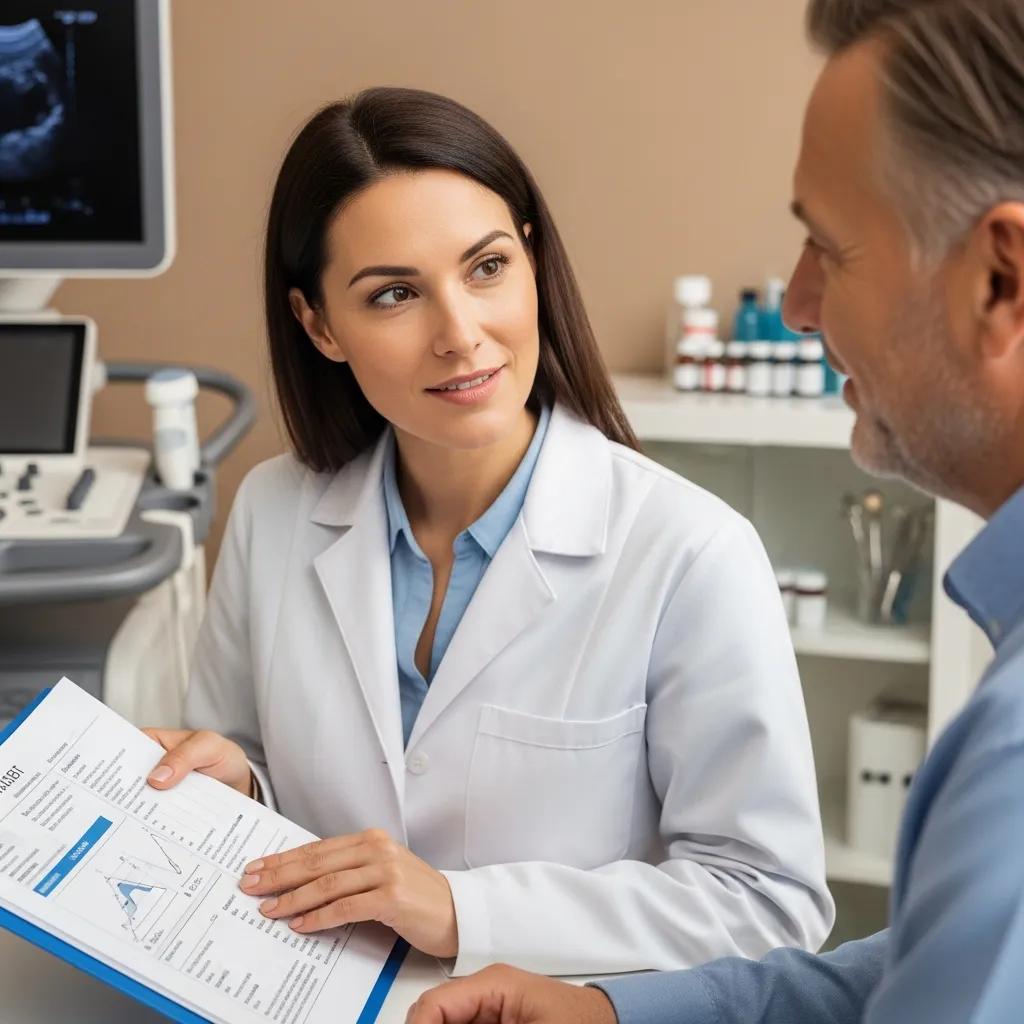
Endometriosis corresponds to ectopic endometrial glands and stroma outside the uterine cavity. Clinical symptoms include dysmenorrhoea, dyspareunia, infertility, painful defecation or cyclic urinary symptoms. Pelvic ultrasound is the primary imaging modality to identify and differentiate locations to the ovary (endometriomas) and the bladder wall. Characteristic sonographic features of endometriomas are diffuse low-level internal echos, multilocularity and hyperchoic foci in the wall. Differential diagnoses include corpus luteum, teratoma, cystadenoma, fibroma, tubo-ovarian abscess and carcinoma.
Diagnosis of endometriosis with imaging: a review, C Balleyguier, 2006
Why Is Laparoscopy Considered the Gold Standard for Diagnosis?
What Treatment Options Are Available for Bladder Endometriosis and Urinary Symptoms?
How Do Medical and Hormonal Therapies Manage Symptoms?
Hormonal Treatment & Causes of Endometriosis
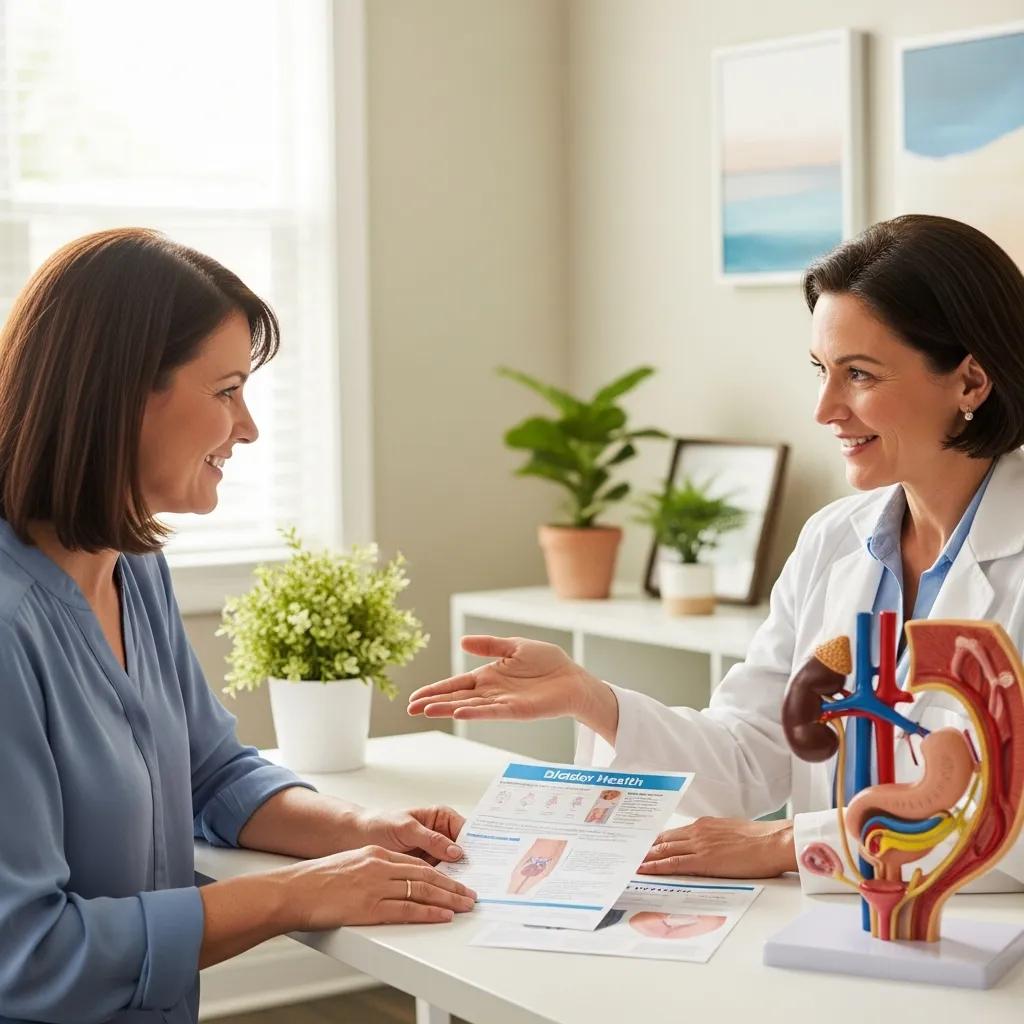
Endometriosis is a benign uterine disorder characterized by menstrual pain and infertility, deeply affecting women’s health. It is a chronic disease and requires a long term management. Hormonal drugs are currently the most used for the medical treatment and are based on the endocrine pathogenetic aspects. Estrogen-dependency and progesterone-resistance are the key events which cause the ectopic implantation of endometrial cells, decreasing apoptosis and increasing oxidative stress, inflammation and neuroangiogenesis. Endocrine and inflammatory changes explain pain and infertility, and the systemic comorbidities described in these patients, such as autoimmune (thyroiditis, arthritis, allergies), inflammatory (gastrointestinal/urinary diseases) and mental health disorders.
Hormonal treatments for endometriosis: The endocrine background, S Vannuccini, 2022
When Is Surgical Excision or Partial Cystectomy Recommended?
How Can You Differentiate Bladder Endometriosis from Interstitial Cystitis and UTIs?
What Are the Key Differences in Symptoms and Diagnosis?
Urinary Tract Endometriosis: Symptoms, Diagnosis & Treatment
Urinary tract endometriosis may present with symptoms overlapping with interstitial cystitis, nephrolithiasis, bladder overactivity, or recurrent urinary tract infections, and may or may not be cyclical in nature. Cyclical gross hematuria is considered pathognomonic, though final diagnosis must be made after a pathologic review. Without proper diagnosis and treatment, consequences such as silent renal loss from asymptomatic obstruction may result. After the diagnosis is made, initial therapy can be undertaken with hormonal treatment to palliate symptoms (most commonly in the form of combined oral contraceptives), followed by surgical resection for a definitive treatment option.
A review of urinary tract endometriosis, 2022
Can Bladder Endometriosis Coexist with Interstitial Cystitis or Urinary Tract Infections?
How Can Lifestyle and Support Help Manage Urinary Symptoms of Endometriosis?
What Role Do Diet and Pelvic Floor Therapy Play in Symptom Relief?
Where Can Patients Find Emotional Support and Community Resources?
| Symptom | Description | Impact Level |
|---|---|---|
| Painful Urination | Burning sensation during urination | High |
| Frequent Urination | Increased urgency to urinate | Moderate |
| Bladder Pain | Discomfort or pain in the bladder area | High |
| Treatment Option | Type | Effectiveness |
|---|---|---|
| Hormonal Therapy | Medical | Moderate to High |
| Surgical Excision | Surgical | High |
| Pelvic Floor Therapy | Supportive | Moderate |